Table of Contents
With the rising health consciousness among consumers, demand for sugar-free chocolate increasingly seeking alternatives that align with their dietary preferences, leading to a significant surge in demand. Manufacturers must understand the nuances of this evolving market, from the use of natural sweeteners to consumer expectations regarding flavor and texture. As they navigate this growing trend, manufacture should prioritize innovation and quality to cater to a diverse audience that values indulgence without compromise.
The Rise of Sugar-Free Chocolate
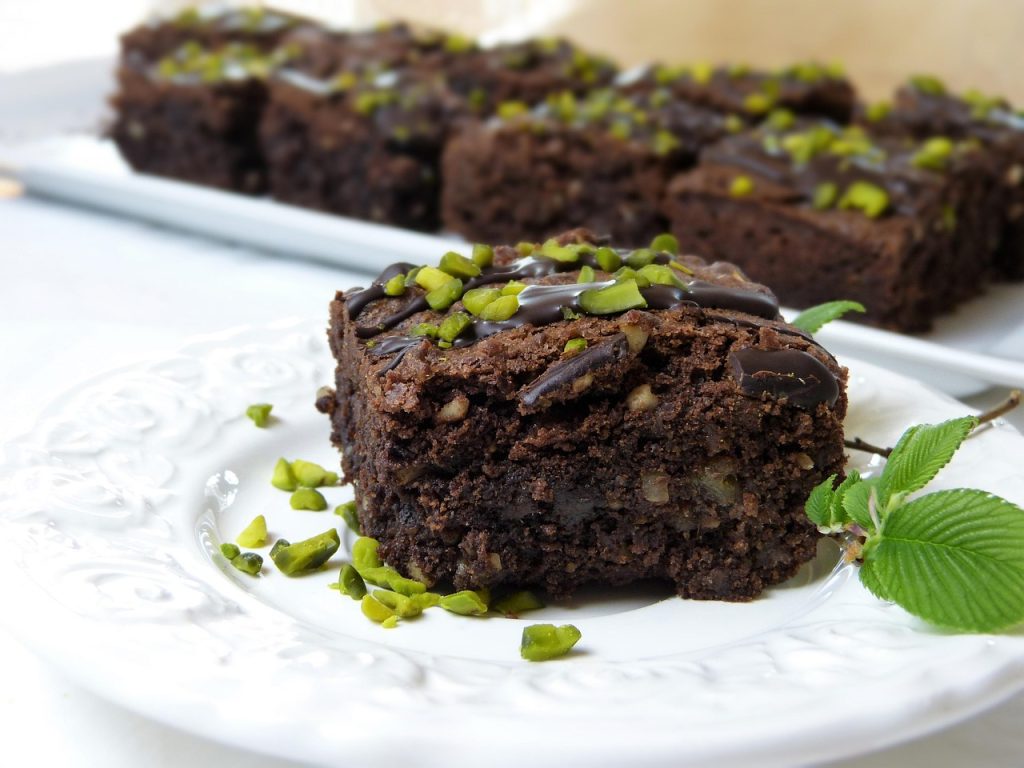
The demand for sugar-free chocolate has surged in recent years, driven by an increasing awareness of health and wellness. As consumers become more health-conscious, they seek alternatives that do not compromise on taste while catering to dietary restrictions. This shift in preference has paved the way for manufacturers to innovate and expand their offerings in the sugar-free chocolate segment.
- Health Trends Driving Demand
Demand for sugar-free chocolate is being propelled by rising health trends, particularly the growing awareness of the adverse effects of sugar consumption. Many individuals are adopting low-sugar or sugar-free diets to manage weight, blood sugar levels, and overall health. Not only is sugar-free chocolate appealing to those with diabetes or sugar sensitivity, but it also attracts health-conscious consumers who prioritize guilt-free indulgence.
- Market Growth and Consumer Preferences
Across the confectionery landscape, the market for sugar-free chocolate is experiencing notable growth, thanks to shifting consumer preferences towards healthier options. This segment thrives as more individuals prioritize snacks that align with their health goals, leading to innovative formulations and flavor profiles.
Driving this growth is the increasing variety of sugar-free chocolate options available on the market. Consumers are not only seeking products that fit their dietary restrictions but also those that offer delicious flavors and textures. As a result, manufacturers are adapting to these preferences by experimenting with natural sweeteners and diverse ingredients to enhance taste without adding sugar.
Key Ingredients in Sugar-Free Chocolate

It is important for manufacturers to understand the key ingredients in sugar-free chocolate, as they significantly influence the product’s appeal and marketability. While traditional chocolate relies on sugar for sweetness, sugar-free alternatives harness various components to create a satisfying flavor profile. This includes alternative sweeteners, fat sources, and other components that must be carefully balanced to achieve the desired taste and texture that consumers seek.
- Alternative Sweeteners
Alternative sweeteners are vital in sugar-free chocolate formulations. They provide the sweetness that sugar would typically offer while often containing fewer calories and being lower in carbohydrates. Common choices include stevia, erythritol, and monk fruit extract, each bringing its unique flavor nuances and health benefits that appeal to health-conscious consumers.
- Impact on Flavor and Texture
About the impact on flavor and texture, the choice of ingredients can dramatically alter the sensory experience of chocolate. Unlike conventional chocolates, sugar-free variants may exhibit different mouthfeel and sweetness levels, which manufacturers must consider in their formulations. The balancing act lies in replicating the creamy, rich texture of traditional chocolate while ensuring that the flavor remains satisfying to consumers.
In addition, the use of various alternative sweeteners can lead to unexpected aftertastes or varying levels of sweetness intensity, necessitating precise formulations. Understanding the interactions between sweeteners and the other ingredients, such as cocoa solids and fats, is vital for achieving a final product that appeals to the palate.
Manufacturing Challenges

One of the primary challenges facing manufacturers in the sugar-free chocolate market lies in balancing taste, texture, and ingredients. As consumer preferences shift toward healthier options, it becomes imperative for producers to innovate while ensuring that their products do not compromise on flavor or quality. Developing formulations that effectively replace sugar without sacrificing the beloved characteristics of chocolate can require significant research and development efforts.
- Ingredient Sourcing
For manufacturers, sourcing high-quality ingredients specifically designed for sugar-free formulations can be a complex endeavor. Many alternative sweeteners, such as stevia or monk fruit, vary in taste and functionality, which can impact the overall chocolate experience. She needs to ensure that the sourced ingredients meet regulatory standards and align with consumer expectations for health and wellness.
- Production Techniques
Around the production techniques used in creating sugar-free chocolate, manufacturers must adapt existing processes to accommodate alternative sweeteners and ensure the product’s consistency. This adaptation can include altering grinding times, refining temperatures, and mixing methods to achieve the ideal texture and mouthfeel. Additionally, manufacturer should consider that certain sweeteners may require specific handling or equipment to prevent degradation and maintain product integrity throughout the production cycle.
Sourcing sustainable and reliable production techniques is imperative for maintaining efficiency and quality in the manufacturing of sugar-free chocolate. This may involve experimenting with different counching times to discover the right balance of flavor development, as well as implementing advanced mixing methods to ensure thorough integration of alternative sweeteners. Therefore, they must continually assess and refine their processes to deliver products that meet consumer demands while optimizing production capabilities.
Labeling and Regulatory Considerations
Keep in mind that accurate labeling is important for sugar-free chocolate manufacturers. Regulations vary by region, and adherence to specific labeling requirements, including ingredient disclosure and nutritional information, is paramount. Manufacturers should ensure their products are compliant with local and international standards to avoid any legal complications associated with misrepresentation.
- Nutritional Claims
On the topic of nutritional claims, manufacturers are advised to be cautious. Claims such as “sugar-free” or “low-calorie” must adhere to specific definitions established by regulatory bodies. Misleading statements can lead to penalties, so it is imperative that they substantiate all claims with precise data.
- Compliance with Food Safety Standards
Behind every successful sugar-free chocolate product lies strict compliance with food safety standards. Adhering to sanitation practices, allergen controls, and proper labeling processes ensures that products are safe for consumption. Failing to meet these standards can result in serious consequences, including recalls and legal action.
Also, it is important for sugar-free chocolate manufacturers to conduct regular audits and training for their staff. These measures help ensure that safety protocols are consistently followed throughout the production process. By staying informed of the latest regulations and implementing robust safety measures, they can maintain compliance and protect consumer health.
Marketing Strategies for Sugar-Free Chocolate
For manufacturers seeking to capitalize on the rising trend of sugar-free chocolate, understanding effective marketing strategies is necessary. Leveraging social media platforms, influencer partnerships, and targeted advertisements can help to connect with health-conscious consumers. Emphasizing the benefits of sugar-free options, such as guilt-free indulgence and potential health improvements, can also appeal to a wider audience. It’s vital that they tailor their approaches to reflect the changing preferences and demands of the market.
- Target Audience
Alongside the health-conscious individuals, the target audience for sugar-free chocolate encompasses those with dietary restrictions, such as diabetics or individuals adhering to low-carb diets. Eco-conscious consumers and parents seeking healthier snack alternatives for their children also form part of this evolving demographic. Understanding this diverse group enables manufacturers to refine their marketing efforts and create tailored products that resonate deeply with their potential customers.
- Effective Messaging
SugarFree branding is pivotal in communicating the values and advantages of sugar-free chocolate. Clear messaging that highlights the chocolate’s taste, quality ingredients, and health benefits will resonate well with the target audience. Emphasizing indulgence without the guilt reinforces the product’s appeal, allowing consumers to enjoy treats while adhering to their dietary preferences.
In fact, messaging strategies should incorporate testimonials from satisfied customers and nutrition experts to enhance credibility. Manufacturers can further engage their audience by showcasing the versatility of their products and promoting recipes or pairings that inspire creative use beyond simple snacking. By ensuring that the messaging aligns with the audience’s values and needs, manufacturers can establish a loyal customer base and differentiate themselves from their competitors.
Future Outlook for Sugar-Free Chocolate
Many industry experts predict a bright future for sugar-free chocolate, driven by increasing health consciousness among consumers. As the demand for healthier snacking options rises, manufacturers are urged to stay ahead by innovating and expanding their offerings. The market is poised for significant growth, encouraging brands to embrace sugar-free options to cater to the evolving preferences of their customer base.
- Innovations on the Horizon
Against a backdrop of growing consumer interest in alternative sweeteners and clean label products, manufacturers are exploring various innovative approaches. Research into new, healthier sweetening agents is on the rise, with emphasis on maintaining taste and texture, ensuring that sugar-free chocolate can stand up to its sugar-laden counterparts.
- Potential Market Expansion
To capitalize on the growth of sugar-free chocolate, businesses must consider broader market segments that encompass vegan, organic, and functional varieties. Expanding into these niches can attract health-conscious consumers and those with dietary restrictions, providing numerous opportunities for brands to diversify their product lines.
Understanding the dynamics of these emerging market segments is vital for manufacturers aiming to establish a strong foothold in the sugar-free chocolate industry. By recognizing the diverse needs of varying consumer groups, they can develop targeted marketing strategies and innovative products that resonate with health-focused individuals. Additionally, tapping into the growing demand for sustainable and ethically sourced ingredients can further enhance brand appeal and foster loyalty among conscious consumers.
Final Words
As a reminder, the rising popularity of sugar-free chocolate presents significant opportunities for manufacturers in the confectionery industry. They must understand consumer preferences for health-conscious options and invest in quality ingredients that maintain taste without compromising on nutrition. By staying informed about market trends and formulating innovative products, they can effectively cater to the increasing demand for guilt-free indulgence, ultimately securing their position in a rapidly evolving marketplace.