Table of Contents
KitKat has become more than just a chocolate bar; it represents a masterclass in innovation and marketing strategy. You may wonder how this iconic treat managed to stand out in a saturated market brimming with competitors. Based on this blog post, you will explore the ingenious approaches that Nestlé employed to cultivate KitKat’s popularity, from its unique flavor combinations to its clever advertising campaigns. By examining this fascinating case study, you can gain valuable insights into how innovation can transform a simple product into a global phenomenon.
The History of KitKat
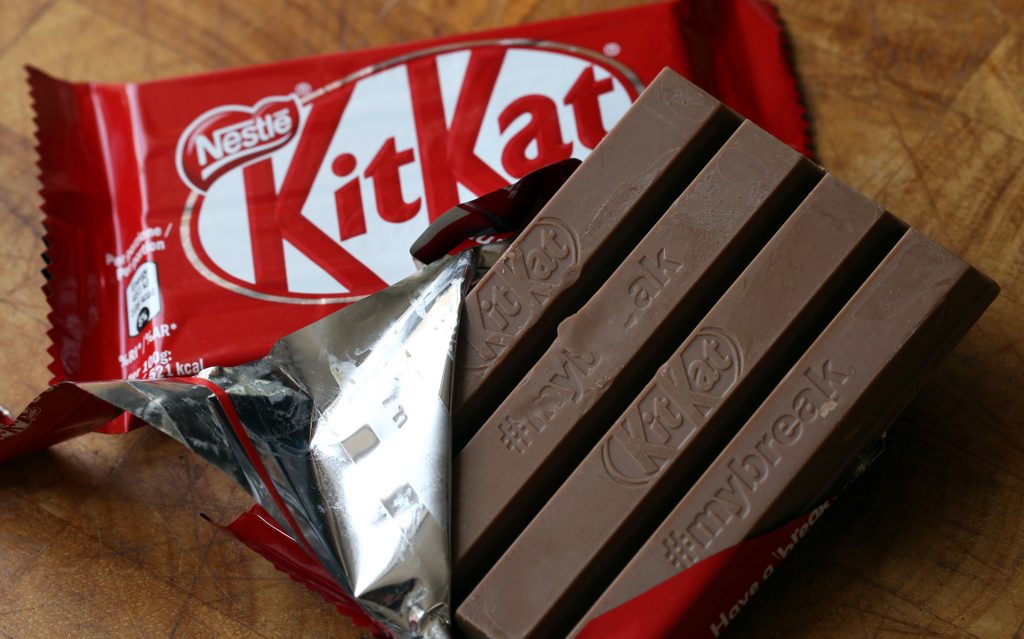
For over eight decades, KitKat has become an iconic chocolate brand recognized worldwide. Launched in 1935 by Rowntree’s in the UK, its simple yet effective concept of chocolate-covered wafer has captivated generations. Throughout its journey, KitKat has undergone transformations that not only solidified its place in the market but also made it a symbol of innovation in the candy industry.
- Origins and Development
Across the years, KitKat emerged from the inventive minds at Rowntree’s, originally introduced as “Rowntree’s Chocolate Crisp.” The product was rebranded as KitKat in 1937 and gained popularity for its unique combination of crispy wafers and smooth chocolate. Its distinctive two-finger and four-finger formats quickly became market staples, setting the stage for a brand that would thrive on innovation.
- Evolution of Flavor Varieties
Above the classic milk chocolate flavor, KitKat has expanded its repertoire to include an array of exciting taste sensations. From white chocolate to green tea matcha, the brand has explored diverse flavor profiles, appealing to a broad audience and individual preferences.
In fact, the evolution of flavor varieties has allowed KitKat to capture the allure of local flavors and market demands. In Japan alone, you can find KitKats in unique flavors such as sake, wasabi, and sweet potato, which highlights the brand’s adaptability and responsiveness to cultural tastes. This approach not only keeps consumers engaged but also fosters a sense of discovery each time you reach for a KitKat, underscoring the phenomenon of not just a chocolate bar, but a global sensation.
The Innovation Behind KitKat
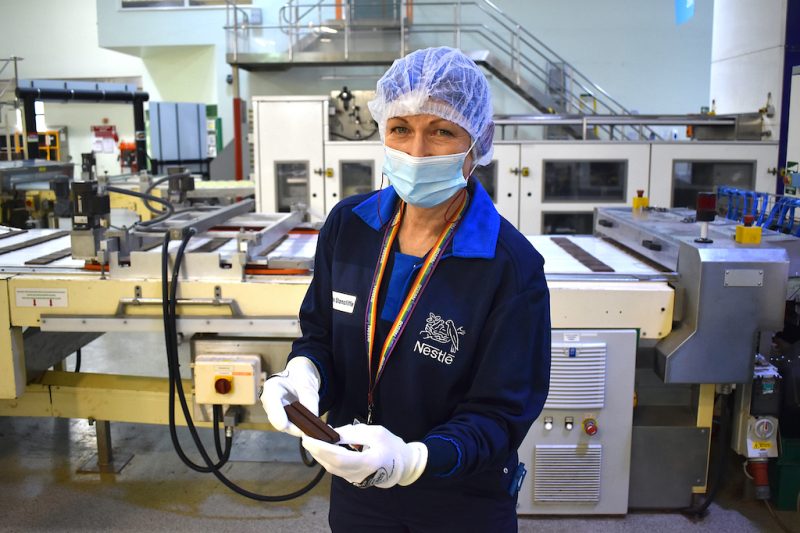
Assuming you want to discover the driving force behind KitKat’s extraordinary success, it’s necessary to appreciate the innovative elements that set this chocolate bar apart. From its iconic wafer layers to the perfect balance of chocolate and crunch, KitKat has carved a unique niche in the chocolate landscape. Its ability to adapt to varying consumer preferences and explore creative flavors demonstrates a commitment to innovation that keeps you coming back for more.
- Unique Manufacturing Techniques
Any discussion of KitKat’s innovation would be incomplete without mentioning its unique manufacturing techniques. The precise layering of wafers and chocolate enrobing process ensures a standardized quality that meets consumer expectations. This approach not only enhances texture but also allows for efficient mass production, ensuring that you receive a consistent product every time you indulge.
- Marketing Strategies and Branding
After outlining KitKat’s innovative features, it’s natural to examine the marketing strategies and branding that have elevated this product to iconic status. KitKat’s catchy slogan “Have a break, have a KitKat” resonates with your everyday lifestyle, promoting the idea of enjoying a moment of indulgence amidst your busy day.
In addition to a memorable slogan, KitKat’s marketing strategies encompass collaborative campaigns, limited-edition flavors, and engaging social media content that invites your participation. By leveraging user-generated content and maintaining a strong social media presence, they foster a community around the brand. These strategies not only enhance brand loyalty but also keep your interest piqued about new product releases or exclusive offers, making you feel a part of the KitKat journey.
Global Expansion and Cultural Adaptation
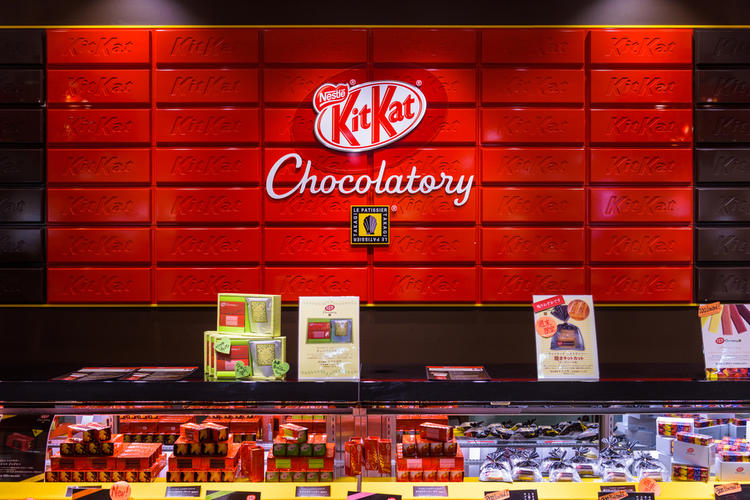
While KitKat has established itself as a beloved chocolate brand in numerous countries, its success is largely attributed to its ability to adapt to different cultures. By understanding local preferences and traditions, KitKat has managed to resonate deeply with diverse audiences worldwide, tailoring products and marketing strategies to fit unique regional tastes and customs.
- Localized Flavors and Promotions
Behind KitKat’s remarkable global success lies a thoughtful approach to localized flavors and promotions. By incorporating ingredients and flavors that reflect local tastes, KitKat creates a product that feels familiar and appealing to consumers. Promotions are also tailored to align with seasonal events and cultural practices, enhancing your overall experience with the brand.
- International Market Penetration
Expansion into international markets has allowed KitKat to reach a wider audience and grow its brand recognition. This strategy involved not only introducing the classic chocolate bar but also developing unique variations aligned with local preferences. Effective partnerships with regional retailers and an agile marketing approach ensured your connection with local customers was strong and relevant.
With a vision that extends beyond the borders of its origin, KitKat employs strategic marketing techniques that ensure your experience aligns with cultural nuances. By investing in market research and establishing distribution networks, the brand has effectively entered emerging markets while also reinforcing its presence in established ones. Your engagement with customized promotional campaigns and locally inspired flavors creates a more impactful connection, making each KitKat experience distinctly memorable.
Consumer Engagement and Loyalty
After exploring the innovative aspects of KitKat, it’s important to understand how the brand fosters consumer engagement and loyalty. By actively involving you in their campaigns and promotions, KitKat creates a sense of belonging and community. This connection not only strengthens brand loyalty but also drives repeat purchases, ensuring that KitKat remains a favored choice for chocolate lovers.
- Social Media Campaigns
Social media has become a powerful tool for KitKat, allowing you to interact with the brand in exciting ways. Through creative campaigns, contests, and user-generated content, KitKat encourages you to share your love for the chocolate, thereby creating a dynamic ecosystem of brand enthusiasts. This not only enhances your engagement but also amplifies KitKat’s reach, keeping it relevant in a competitive market.
- Brand Community Building
At the heart of KitKat’s strategy lies the emphasis on building a strong brand community. By fostering connections among you and fellow KitKat lovers, the brand transforms consumers into passionate advocates. This community not only provides a space for sharing experiences but also cultivates brand loyalty and trust, encouraging you to choose KitKat over competitors consistently.
It’s important for KitKat to create platforms where you can exchange stories, ideas, and experiences related to the product. Initiatives such as interactive campaigns and fan-driven content help strengthen the emotional ties you have with the brand. By nurturing a community where you feel valued and engaged, KitKat encourages you to remain loyal and advocate for the brand, further solidifying its market position.
Sustainability and Ethical Practices
Once again, KitKat demonstrates its commitment to sustainability and ethical practices by implementing various programs that aim to reduce its environmental footprint. You will find that your favorite chocolate bar is not only delicious but also supports initiatives focused on responsible sourcing and environmental conservation. This dedication ensures that your indulgence aligns with broader efforts to promote sustainable practices within the food industry.
- Sourcing of Ingredients
To create a product that delights your taste buds while supporting the planet, KitKat prioritizes the ethical sourcing of cacao, sugar, and other ingredients. You can take comfort in knowing that these ingredients meet high standards of sustainability, helping to empower farmers and communities involved in the supply chain.
- Environmental Impact and Initiatives
The company’s commitment to sustainability extends into its operations, where they actively work to minimize waste, reduce carbon emissions, and promote biodiversity. You can appreciate how KitKat leads various initiatives aiming for a more sustainable future, such as utilizing renewable energy in production facilities and investing in eco-friendly packaging solutions.
Sourcing sustainable ingredients is a cornerstone of KitKat’s initiatives. You can feel good about enjoying your favorite treat, knowing that the company works with farmers who practice sustainable agriculture. By partnering with organizations that promote better farming techniques and environmental stewardship, KitKat ensures that your chocolate not only tastes good but also contributes positively to the communities that produce it.
The Impact of KitKat on the Confectionery Industry
Many consider KitKat to be a revolutionary brand in the confectionery landscape, transforming not only chocolate bars but also the very nature of snack consumption. Its innovative marketing strategies and unique product offerings have challenged traditional candy dynamics, introducing a distinct ‘break’ mentality that resonates with consumers worldwide. This impactful approach has inspired a wave of new entrants imbued with similar concepts, enhancing the overall diversity of the market.
- Competitor Analysis
Across the confectionery sector, KitKat faces constant competition from brands like Snickers, Mars, and Twix, each striving to capture consumer attention with their own unique flavors and offerings. Despite these challenges, KitKat’s innovative marketing strategies and memorable slogan, “Have a break, have a KitKat,” set it apart. You may observe how this has forced competitors to reevaluate their approaches, leading to an ever-evolving marketplace that focuses on engaging consumer experiences.
- Influence on Trends and Global Innovation
Against this backdrop of competitiveness, KitKat has been a trendsetter, igniting a wave of creativity in flavor innovation and marketing tactics within the confectionery industry. You might notice that many brands now experiment with limited-edition flavors to capture consumer excitement, inspired by the KitKat model. This willingness to adopt new ideas has reshaped industry expectations regarding flavor variety and consumer engagement strategies.
Another significant aspect of KitKat’s influence is its ability to tap into consumer trends with ease. By launching flavors that resonate with cultural phenomena—such as matcha in Japan or salted caramel in Western markets—you can see how KitKat adeptly mirrors and shapes consumer preferences. This responsiveness promotes a culture of continual innovation within the industry, prompting competitors to keep up or risk being left behind. You may find that this not only enhances consumer choice but also encourages experimentation across a myriad of confectionery products, elevating the overall market.
Conclusion
To wrap up, your understanding of the chocolate phenomenon of KitKat reveals how innovative marketing, unique product offerings, and customer engagement have transformed a simple confection into a global icon. By analyzing its strategic approaches, you gain valuable insights into the essence of brand evolution and consumer loyalty. The case study illustrates the power of adaptability, showing that embracing change can lead to remarkable success in the ever-competitive snack industry.