Seasonal demand for mooncakes can surge dramatically within weeks, placing intense pressure on manufacturers to deliver consistent quality at scale. One inconsistent filling batch—too soft, too oily, too dry—can disrupt production lines and compromise brand reputation. In this context, a comprehensive Mooncake Filling Industry Guide: Lotus Paste, Red Bean & Modern Variants becomes essential for bakery producers seeking both technical reliability and market relevance.
Mooncake fillings are no longer limited to traditional formulas. While lotus paste and red bean paste remain core products, consumer preferences are evolving toward reduced sugar options, innovative flavors, and premium positioning. For industrial bakeries, understanding the functional properties, processing parameters, and shelf-life considerations of each filling type is critical to maintaining competitiveness.
This guide examines the technical and commercial aspects of mooncake fillings, from classic lotus seed paste to contemporary fusion variants, offering practical insights for large-scale bakery operations.
Understanding Mooncake Filling Industry Guide: Lotus Paste, Red Bean & Modern Variants in Traditional Production
A strong foundation in traditional formulations is the first step in mastering the Mooncake Filling Industry Guide: Lotus Paste, Red Bean & Modern Variants.
Lotus Paste: Premium Texture and Cultural Significance
Lotus paste is widely regarded as the premium filling for traditional baked mooncakes. Made from lotus seeds that are soaked, cooked, finely ground, sweetened, and concentrated, it delivers a smooth and dense texture with a delicate aroma.
Industrial lotus paste typically contains:
Lotus seed puree
Sugar
Vegetable oil
Controlled moisture content
The high oil content contributes to its rich mouthfeel and smooth slicing performance. However, oil balance must be precisely controlled. Excess oil may cause leakage or greasy surfaces, while insufficient oil can produce a dry, crumbly texture.
For manufacturers, lotus paste presents challenges such as:
High raw material cost
Sensitivity to moisture fluctuation
Strict quality consistency requirements
Because lotus paste often serves as the base for premium mooncakes, even minor deviations in texture or sweetness can influence brand perception.
Red Bean Paste: Traditional and Versatile
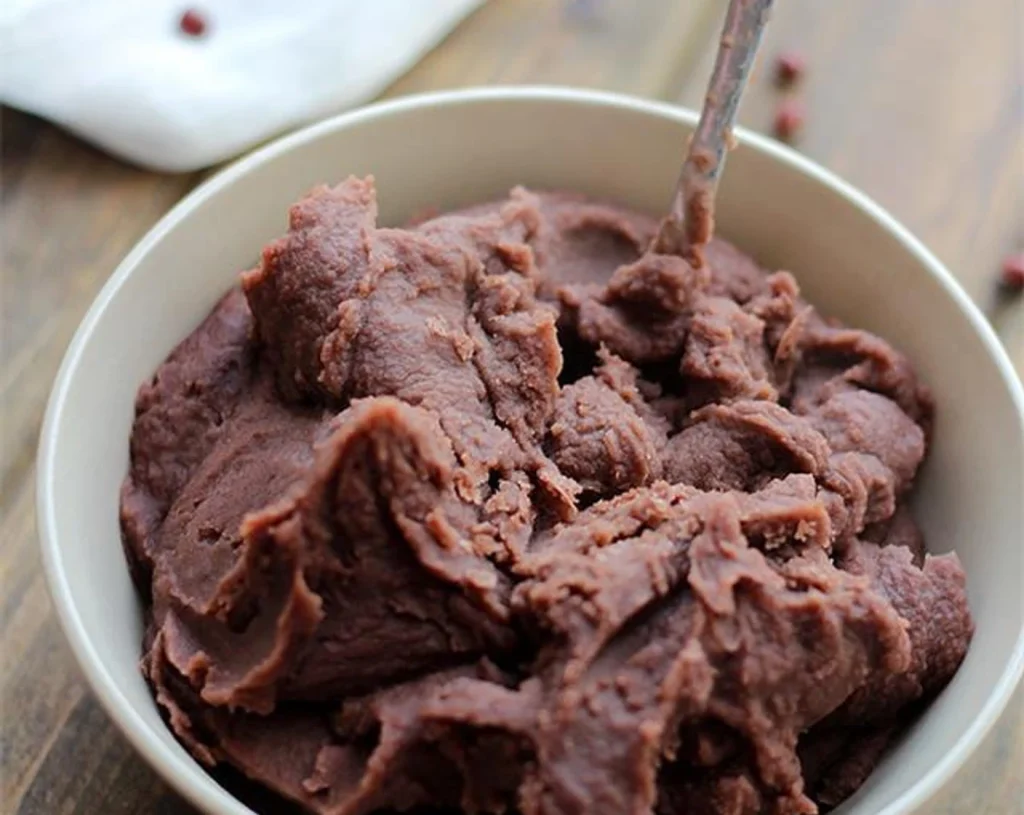
Red bean paste, typically derived from adzuki beans, remains a staple in many Asian markets. Compared to lotus paste, red bean paste has a more distinct flavor and slightly coarser texture, depending on processing style.
In large-scale production, red bean paste offers:
Stable supply chain availability
Lower cost relative to lotus seeds
Strong consumer familiarity
It is suitable not only for mooncakes but also for buns, pastries, and confectionery products. Its versatility makes it a strategic choice for manufacturers aiming to balance tradition with cost efficiency.
Technical Formulation Insights in the Mooncake Filling Industry Guide: Lotus Paste, Red Bean & Modern Variants
The technical side of the Mooncake Filling Industry Guide: Lotus Paste, Red Bean & Modern Variants involves more than flavor development. It requires precise control over moisture, sugar concentration, oil distribution, and microbial stability.
Moisture and Water Activity Control
Water activity (aw) is a critical parameter influencing shelf life and microbial safety. Mooncake fillings are typically classified as intermediate-moisture foods. Proper concentration during cooking reduces free water while maintaining spreadability.
If water activity is too high:
Risk of mold growth increases
Shelf life shortens
Filling texture becomes unstable
If too low:
Filling may crack during shaping
Mouthfeel becomes excessively dense
Maintaining optimal moisture balance ensures compatibility with the outer mooncake skin and prevents moisture migration during storage.
Because mooncake fillings fall into the intermediate-moisture category, manufacturers should align their processing and hygiene systems with internationally recognized frameworks such as the Codex Alimentarius Code of Hygienic Practice for Low-Moisture Foods.
Sugar Content and Sweetness Management
Traditional mooncakes are known for their sweetness. However, shifting consumer preferences toward lower sugar intake have prompted reformulation strategies.
Reducing sugar impacts:
Water-binding capacity
Shelf life stability
Texture firmness
Manufacturers often compensate by adjusting fiber content, oil ratios, or using alternative sweeteners while preserving functional properties.
Oil Emulsification and Stability
Vegetable oil plays a crucial role in both lotus and red bean paste formulations. It enhances smoothness and improves slicing performance after baking.
However, oil must be evenly emulsified within the paste matrix. Poor emulsification can lead to:
Surface oil separation
Inconsistent texture
Reduced visual appeal
Industrial mixing systems and standardized processing parameters are essential to maintain uniformity across large production volumes.
Modern Variants in the Mooncake Filling Industry Guide: Lotus Paste, Red Bean & Contemporary Innovation
The modern chapter of the Mooncake Filling Industry Guide: Lotus Paste, Red Bean & Modern Variants reflects the dynamic evolution of consumer preferences.
Chocolate and Cocoa-Based Fillings
Younger consumers increasingly seek novel flavor experiences. Chocolate-infused lotus paste, cocoa red bean blends, and dual-layer fillings are gaining popularity.
These modern variants require:
Careful fat compatibility
Controlled melting behavior
Flavor balance without overpowering traditional elements
Combining chocolate components with traditional bean pastes demands technical precision to avoid oil migration and structural breakdown.
Manufacturers exploring such innovations often assess ingredient solutions and formulation support through specialized suppliers, including those featured on CocoaNusa’s official website (https://cocoanusa.com/), which showcases bakery ingredient options suitable for industrial applications.
Fruit and Nut Combinations
Contemporary mooncakes also incorporate inclusions such as:
Dried cranberries
Almond pieces
Salted egg yolk
Matcha powder
Each inclusion affects moisture distribution and texture stability. For example, nuts may absorb oil over time, altering mouthfeel, while fruit inclusions can introduce additional moisture.
Proper pre-treatment and controlled mixing processes mitigate these risks.
Reduced Sugar and Health-Oriented Options
Health-conscious consumers have influenced the development of:
Low-sugar lotus paste
High-fiber red bean paste
Plant-based or clean-label formulations
While attractive from a marketing standpoint, these variants must still meet industrial performance standards, including machinability and shelf stability.
Production Scalability and Quality Assurance
A robust Mooncake Filling Industry Guide: Lotus Paste, Red Bean & Modern Variants must address scalability challenges in industrial environments.
Raw Material Consistency
Variability in lotus seeds or adzuki beans can significantly affect final paste characteristics. Manufacturers typically implement strict raw material specifications, including:
Uniform size grading
Moisture content limits
Absence of contamination
Supplier audits and batch testing reduce production variability.
Thermal Processing Control
Cooking and concentration stages require precise temperature management. Overheating may darken color and alter flavor, while undercooking may leave excessive moisture.
Automated kettles with controlled agitation are often used to:
Ensure uniform heat distribution
Prevent scorching
Achieve consistent Brix levels
Hygiene and Shelf Life Management
Because mooncakes are often stored at ambient temperatures, fillings must demonstrate microbiological stability. Hygienic processing environments and validated heat treatment procedures are essential components of quality assurance.
Proper packaging further protects against moisture absorption and oxidation, preserving product integrity during distribution.
Market Positioning and Consumer Expectations
Understanding market positioning is a strategic component of the Mooncake Filling Industry Guide: Lotus Paste, Red Bean & Modern Variants.
Premium vs. Mass Market Segments
Lotus paste mooncakes often occupy the premium segment, while red bean variants may target broader audiences. Modern fusion fillings frequently attract younger consumers or gift buyers seeking novelty.
Each segment requires tailored formulation strategies to align cost structure, sensory appeal, and brand positioning.
Seasonal Production Peaks
Mooncake demand is highly seasonal, particularly around Mid-Autumn Festival celebrations. During peak periods, production volumes can multiply significantly.
To meet demand:
Fillings must be supplied in stable, scalable quantities
Quality consistency must be maintained across batches
Storage stability must support pre-production planning
A reliable filling formulation reduces production risk during these critical windows.
Conclusion: Navigating the Mooncake Filling Industry Guide: Lotus Paste, Red Bean & Modern Variants
In today’s competitive bakery landscape, mastering the Mooncake Filling Industry Guide: Lotus Paste, Red Bean & Modern Variants is essential for manufacturers aiming to balance tradition, innovation, and operational efficiency.
Lotus paste delivers premium smoothness and heritage value, while red bean paste offers versatility and broad consumer appeal. Modern variants introduce exciting opportunities but demand careful technical adjustments to maintain structural integrity and shelf life stability.
By prioritizing moisture control, oil balance, raw material consistency, and hygienic processing, manufacturers can ensure reliable performance across seasonal production cycles. Whether producing classic baked mooncakes or experimenting with contemporary fusion flavors, a disciplined approach to filling formulation supports both product excellence and long-term market competitiveness.
For bakery businesses seeking to refine their ingredient strategy, reviewing detailed specifications and exploring professional ingredient solutions can provide valuable direction in navigating the evolving mooncake market.