Table of Contents
Over the last few years, Dubai has emerged as a powerhouse in the luxury chocolate market, attracting connoisseurs and casual consumers alike. One of them is dubai chocolate that made by chocolatiers who embracing high-quality cocoa, introducing unique flavors and designs that reflect both traditional Middle Eastern tastes and global trends. Noted how these artisanal offerings not only elevate the local culinary scene but also influence cocoa sourcing practices in the region. They are setting new standards for quality and sustainability, positioning Dubai as a key player in the evolving cocoa industry in the Middle East.
The Emergence of Dubai as a Chocolate Hub
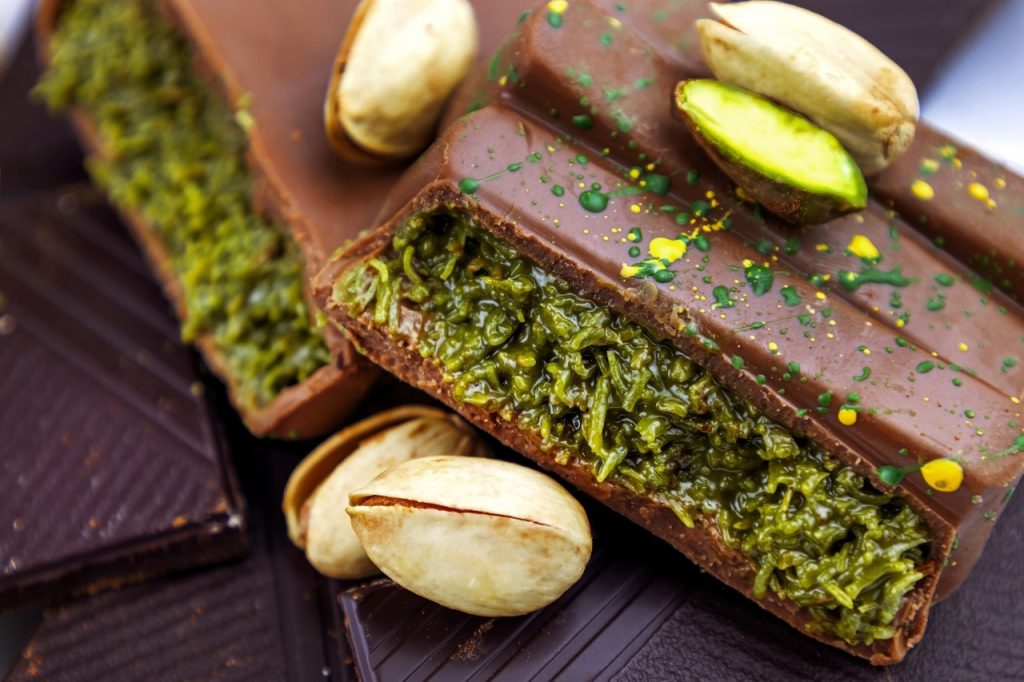
While the global chocolate industry has long been dominated by traditional cocoa-producing countries, Dubai has rapidly emerged as a gourmet chocolate hub. This transformation is attributed to the city’s strategic geographic location, modern infrastructure, and a burgeoning luxury market. As culinary innovators and artisans explore new chocolate experiences, Dubai continues to attract international brands and local chocolatiers alike, redefining luxury chocolate in the region.
- Historical Context
At the intersection of tradition and innovation, Dubai’s rich history as a trading port laid the foundation for its flourishing chocolate market. Over the decades, the city has evolved from merely importing cocoa products to becoming a prominent player in chocolate creation. As luxury goods began to gain traction, Dubai’s chocolatiers seized the opportunity to establish a distinct identity within the global chocolate scene.
- Current Chocolate Market Trends
The chocolate market in Dubai is currently experiencing a shift toward artisanal products, reflecting a growing appreciation for quality and craftsmanship among consumers. Boutique brands are gaining popularity, often prioritizing sustainability and unique flavor profiles over mass production. With an increasing focus on premium ingredients, the market showcases a diverse range of chocolates, from single-origin cocoa to innovative combinations.
Indeed, this trend highlights both local and international chocolatiers’ commitment to pushing boundaries in flavor and presentation. Consumers are now more discerning, seeking personalized experiences that resonate with their tastes and values. As the chocolate scene evolves, events, festivals, and workshops further educate and engage the public, solidifying Dubai’s position as a dynamic and influential chocolate destination.
Unique Techniques in Dubai Chocolate Production

Now, the world of chocolate in Dubai is characterized by innovative techniques that elevate its production standards. Local chocolatiers are not only embracing traditional methods but also integrating modern technology to create exquisite flavors and textures that appeal to the luxury market. This blend of old and new ensures that their creations stand out on the global stage, showcasing the region’s commitment to quality and sophistication.
- Sourcing High-Quality Cocoa
Below, he highlights the importance of sourcing high-quality cocoa beans in Dubai’s chocolate production. Local producers are making a concerted effort to establish direct relationships with cocoa farmers around the world, ensuring that they obtain the finest beans available. This commitment to quality helps them craft chocolate that boasts rich flavors and unique profiles, setting the standard for luxury confections in the Middle East.
- Artisanal Craftsmanship
Cocoa artisans in Dubai are redefining chocolate-making through their meticulous craftsmanship. They pay close attention to each step of the process, from bean selection to final presentation, ensuring that every piece exemplifies luxury. This artisanal approach allows them to create limited edition chocolates that reflect the rich cultural heritage of the region while enticing the palate with innovative flavor combinations.
To enhance the artisanal experience, many chocolatiers incorporate local ingredients and influences, resulting in unique flavor profiles that intrigue customers. They invest time and effort into refining their techniques, often engaging in continuous learning and experimentation. This dedication not only elevates the standard of chocolate but also fosters a deep appreciation for the art of chocolate-making among consumers in Dubai and beyond.
The Influence of Local Flavors on Chocolate
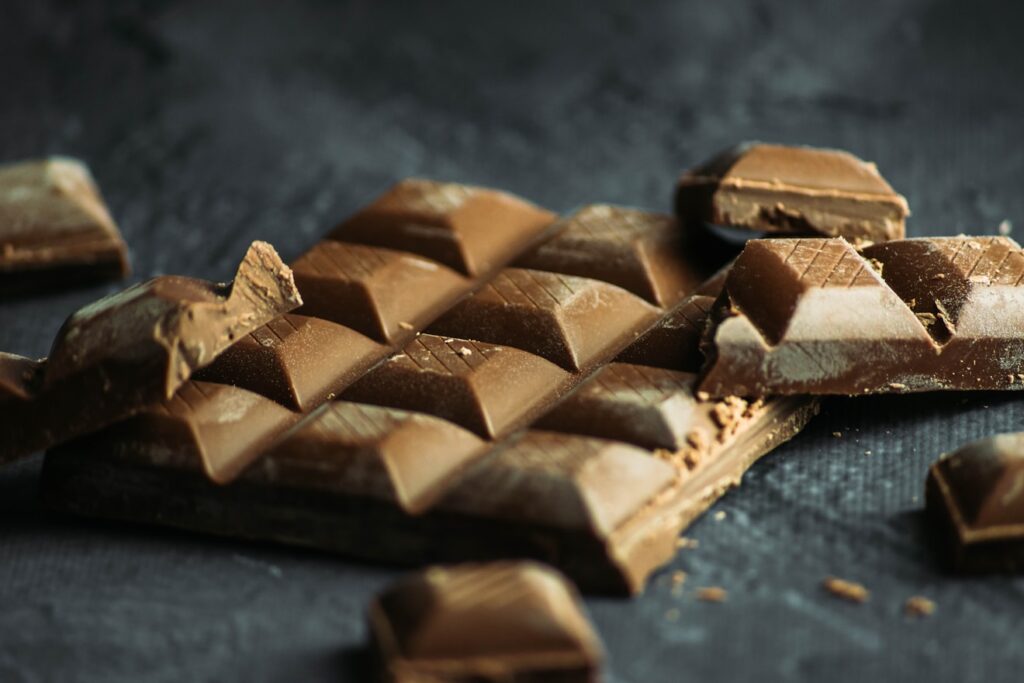
Even in the world of luxury chocolates, the infusion of local flavors has emerged as a game-changer for chocolatiers in Dubai. By blending traditional Middle Eastern tastes such as saffron, cardamom, and rose water into their creations, they are not merely crafting unique confections but also telling a story that reflects the region’s rich culinary heritage. This innovative approach resonates with consumers seeking an authentic taste that connects them to local culture.
- Incorporating Regional Ingredients
Local artisans have recognized the potential of integrating regional ingredients into their chocolate recipes. By using locally sourced spices, nuts, and fruits, they elevate chocolate into a multi-dimensional delicacy that captures the essence of the Middle East. This trend not only celebrates local agriculture but also enhances the overall flavor profile, creating a delightful fusion that consumers find irresistible.
- Cultural Significance of Flavor Pairings
For many, the flavor pairings in Dubai’s chocolates reflect deeper cultural meanings and traditions. The blend of chocolate with local ingredients serves as an homage to the region’s storied past and culinary practices, allowing consumers to engage with the area’s history while enjoying a sweet treat.
Also, exploring these cultural pairings provides insight into how tradition shapes contemporary taste experiences. For instance, pairing chocolate with dates or figs not only complements the sweetness but also pays homage to ingredients that have been cherished in this region for centuries. This layered understanding enhances appreciation among consumers, as they savor chocolates that embody both luxury and cultural significance, enriching their overall chocolate journey in Dubai.
Dubai’s Role in Shaping the Cocoa Industry
Not only a hub for luxury, Dubai is becoming a significant player in the global cocoa industry. Its growing demand for premium chocolate is reshaping the cocoa landscape in the Middle East. As an emerging market, it is influencing trends in sourcing, production, and consumption while providing unique opportunities for local and international cocoa stakeholders.
- Partnerships with Cocoa Farmers
Role in establishing partnerships with cocoa farmers is crucial for Dubai’s evolving cocoa industry. She fosters collaboration between local producers and international suppliers, facilitating knowledge transfer and improving farming techniques. These partnerships contribute to a more sustainable supply chain, ensuring both quality and fair pricing for farmers.
- Innovations in Sustainable Practices
Practices adopted to enhance sustainability are paving the way for a healthier cocoa industry in Dubai. By investing in environmentally-friendly techniques and promoting social responsibility, its helping to reduce the carbon footprint of cocoa production. These innovations not only benefit the environment but also elevate the quality of cocoa, ultimately enriching the luxury chocolate market.
And with ongoing research and development, Dubai is setting benchmarks for sustainable cocoa farming through initiatives that aim to improve crop resilience and minimize chemical usage. This commitment to sustainability is evident in the partnerships forged between chocolatiers and farmers, who are adopting agroforestry practices and organic farming methods. By prioritizing sustainability, they are not only elevating the quality of cocoa but are also ensuring long-term viability for the cocoa industry in the region.
The Rise of Luxury Chocolate Brands in Dubai
All eyes are on Dubai as the city witnesses an extraordinary surge in luxury chocolate brands. This meteoric rise is not only redefining the local culinary scene but also establishing Dubai as a global hub for premium cocoa delicacies. With a growing affluent population and a strong emphasis on quality, the chocolate market in Dubai is evolving rapidly, attracting both local entrepreneurs and international brands eager to captivate the sophisticated taste buds of consumers.
- Brand Profiles and Offerings
At the forefront of this luxury movement, several brands are making their mark with innovative offerings and exquisite craftsmanship. Each brand curates unique collections that celebrate artisanal techniques and high-quality ingredients, often infusing traditional Middle Eastern flavors into classic chocolate creations. These brands are not only elevating palates but also setting new benchmarks in sustainability and ethical sourcing in the cocoa industry.
- The Role of Dubai Tourism in Consumption
By enhancing the visibility and appeal of luxury chocolate, tourism plays a pivotal role in boosting consumption rates in Dubai. Tourists, drawn to the city’s dazzling attractions, frequently indulge in its gourmet offerings. This influx of visitors allows luxury chocolate brands to thrive, crafting exclusive experiences and products that resonate with both international guests and local residents.
Dubai’s vibrant tourism sector significantly influences its luxury chocolate market. As visitors explore the city’s opulent shopping malls and renowned culinary festivals, they are often enticed by the sight of lavish chocolate boutiques. These establishments cater not only to tourists seeking souvenirs but also to those eager to indulge in high-end treats. Luxury chocolate becomes a memorable part of their Dubai experience, leading to increased demand and fostering a culture where premium chocolate is celebrated and savored.
Economic Impact of the Chocolate Industry in the Middle East
After witnessing rapid growth, the chocolate industry in the Middle East has begun transforming the region’s economic landscape. The demand for luxury chocolates, particularly in places like Dubai, has prompted local manufacturers to innovate and upscale production. This growth not only boosts local economies but also enhances the region’s global trade standing, positioning Middle Eastern chocolates as sought-after gourmet products.
- Job Creation and Economic Growth
Below the surface of the luxury chocolate market, the industry contributes significantly to job creation and economic growth. Local chocolatiers and artisanal producers employ skilled artisans, marketing professionals, and supply chain experts, thereby fostering a more diverse job market. As they expand, these businesses stimulate ancillary sectors such as tourism, retail, and hospitality, invigorating overall economic activity.
- Export Potential and Market Reach
Beside domestic growth, the chocolate industry in the Middle East presents expansive export potential and market reach. With a growing international reputation for high-quality chocolates, local brands are finding their way into global markets. This expansion not only generates revenue but also enhances the region’s visibility on the world stage.
Economic interest in the Middle East’s chocolate sector has led to a sharp increase in export opportunities. Local producers are forging partnerships with international retailers, tapping into wider markets, and participating in global trade exhibitions. As production scales and brands mature, they can compete with global chocolate giants, driving innovation, improving quality, and expanding the variety of offerings, thus enhancing the Middle East’s position in the global chocolate industry.
Conclusion
Summing up, Dubai’s chocolate scene is evolving into a luxurious delicacy that is profoundly influencing the cocoa industry in the Middle East. He notes that with an array of artisanal chocolates, premium sourcing of cacao, and innovative culinary techniques, she demonstrates how local artisans are not only elevating chocolate consumption but also promoting sustainable practices. They are reshaping the perception of chocolate as a luxury item and paving the way for a vibrant chocolate culture that intertwines with the region’s rich heritage while appealing to global markets.