
Table of Contents
Your interest in sustainable agriculture and food security leads you to explore the latest research on developing disease-resistant cocoa plant varieties. This is a solution that could safeguard the world’s cocoa supply and support the livelihoods of cocoa farmers worldwide. You are likely aware that cocoa plants are susceptible to various diseases, which can severely impact your chocolate supply. As you consider the future of this beloved crop, you may wonder how scientists are working to protect it.
Genetic Basis
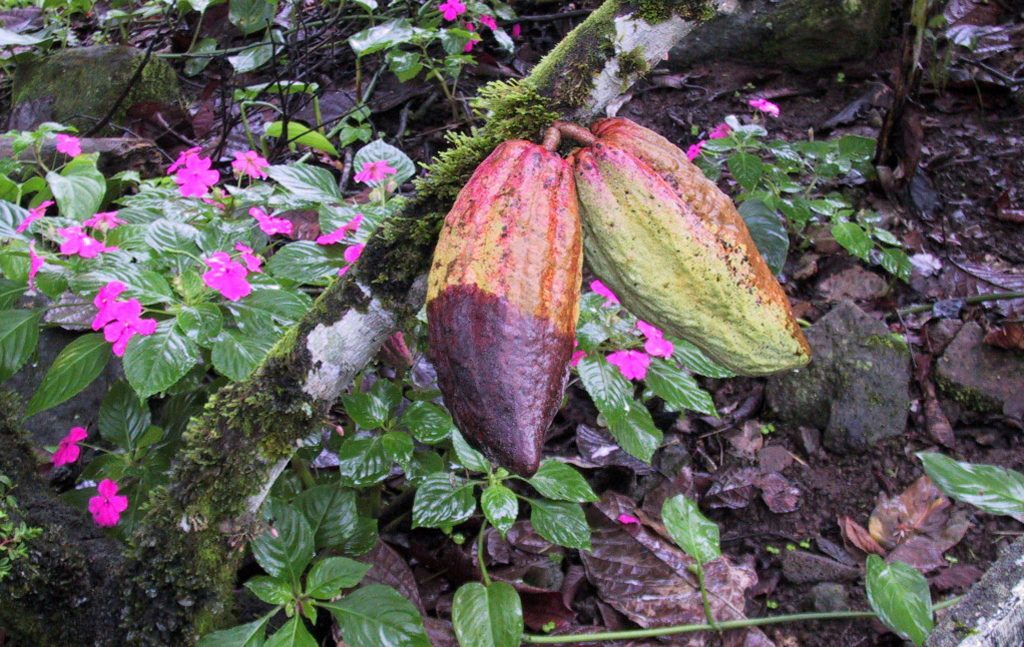
A comprehensive understanding of the genetic basis of disease resistance in cocoa plants is crucial for developing resistant varieties. You will need to probe into the complexities of genetics to create plants that can withstand diseases.
Chocolate-producing cacao trees that are resistant to a major pathogen were identified by an international team of plant geneticists. The NSF-funded finding points the way for plant breeders to develop trees that are tolerant of the disease.
- Cocoa Plant Genome
By examining the cocoa plant genome, you can identify the genetic factors that contribute to disease resistance, allowing you to breed plants with desirable traits.
- Disease-Resistant Genes
With the discovery of disease-resistant genes, you can develop cocoa plant varieties that are more resilient to diseases, reducing the need for pesticides and promoting sustainable agriculture.
Resistance is a key cultural control in the Integrated Pest Management (IPM) toolbox. Plant genetic resistance to disease may be based on major or minor genes. Major gene or gene-for-gene resistance works by the product of the resistance (R) gene recognising the product of an avirulence (Avr) gene in the pathogen and initiating the plant defences known as the hypersensitive response
Understanding the function and expression of these disease-resistant genes is vital for your success in breeding resistant cocoa varieties. You will need to analyze how these genes interact with environmental factors and other genes to develop effective breeding strategies, enabling you to create cocoa plants that can thrive in challenging conditions.
Breeding Techniques

Assuming you have a basic understanding of cocoa plant genetics, you can explore various breeding techniques to develop disease-resistant varieties. You will need to consider factors such as genetic diversity, selection methods, and breeding strategies.
- Traditional Breeding Methods
Breeders have traditionally employed conventional techniques to create new cocoa cultivars, introducing desired features through hybridization and selective breeding. You can use these methods to combine disease-resistant genes from different plants, creating more resilient varieties.
- Modern Biotechnology Approaches
Modifying genetic material is now possible with modern biotechnology, allowing you to introduce specific disease-resistant genes into cocoa plants. You can use these techniques such as genetic engineering to precision-edit genes and develop more effective disease resistance.
In conclusion, as you explore deeper into modern biotechnology approaches, you will discover the potential for significant advancements in disease-resistant cocoa varieties. You can explore the use of gene editing tools, such as CRISPR, to precisely modify genes and develop varieties with enhanced disease resistance, ultimately improving crop yields and reducing disease susceptibility.
Disease Resistance Mechanisms
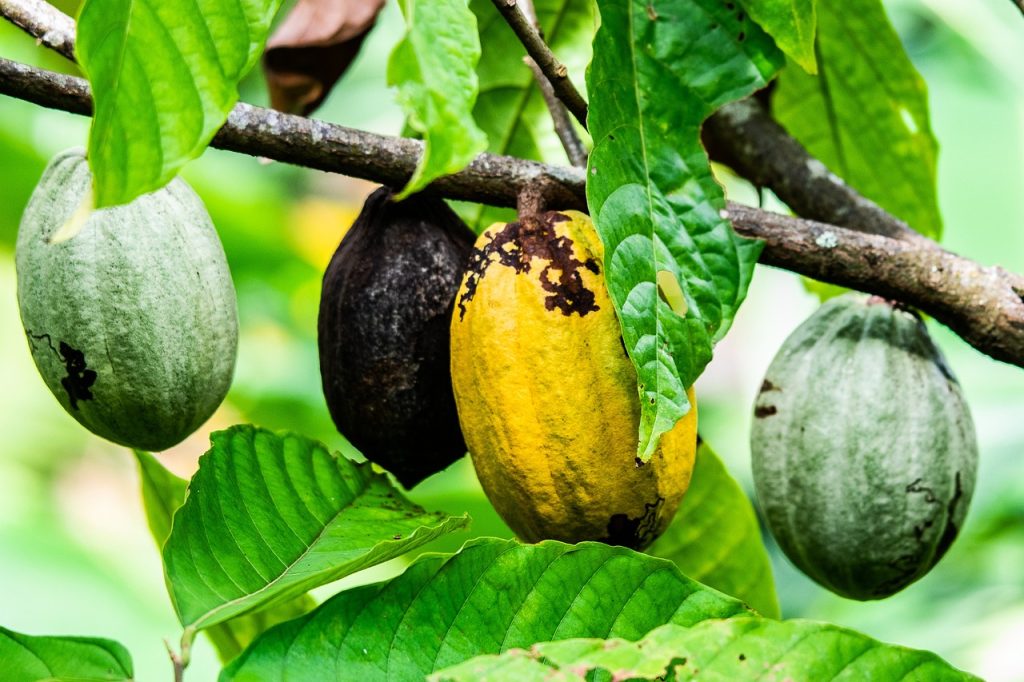
Any attempt to develop disease-resistant cocoa plant varieties must consider the complex interactions between the plant and its pathogens. You will need to understand how these interactions unfold in order to create effective resistance strategies.
- Physical Barriers
The primary defense of cocoa plants lies in their physical barriers, such as the cuticle and cell wall, which prevent pathogens from entering the plant tissue, and you can observe how these barriers function to protect the plant from infection.
- Biochemical Responses
Mechanisms of disease resistance in cocoa plants also involve biochemical responses, where the plant produces compounds that inhibit the growth of pathogens, and you will see that these responses are triggered by specific signals.
Additionally, if you delve further into the metabolic reactions of cocoa plants, you will find that they generate a variety of substances, such as terpenes and phenolics. Compounds which play a key role in defending against pathogens, and understanding these compounds will help you develop more effective disease-resistant cocoa varieties.
Screening and Evaluation
After identifying potential cocoa plant varieties, you will need to screen and evaluate them for disease resistance. This involves a series of tests to determine their ability to withstand diseases.
- Laboratory Tests
One way to assess disease resistance is through laboratory tests, where you can expose plant samples to controlled doses of pathogens and observe their response. Research from West Africa cocoa farm, analyzed polymorphism in a set of defense-associated receptors, identifying coding variants between SCA6 and NA32 which could contribute to unique capacities for pathogen recognition. This work is an important step toward characterizing genetic differences underlying a successful defense response in cacao.
- Field Trials
Laboratorily selected varieties are then taken to field trials, where you can evaluate their performance in real-world conditions, exposing them to natural disease pressures and assessing their yield and quality.
Tests in field trials are designed to mimic the conditions your cocoa plants will face in commercial production, allowing you to select varieties that not only resist disease but also maintain desirable traits such as flavor and texture, making them suitable for your specific needs and climate.
Challenges and Limitations
For the development of disease-resistant cocoa plant varieties, you will encounter several obstacles. The process is complex and time-consuming, requiring significant resources and expertise.
- Genetic Variation
Taking into account the genetic makeup of cocoa plants, you need to understand the existing variation within the species to identify potentially resistant traits.
- Environmental Factors
One of the key considerations is the impact of environmental factors on disease resistance, including:
- Temperature fluctuations
- Soil quality
- Moisture levels
This will help you better understand the challenges involved in developing disease-resistant cocoa plant varieties.
Indeed, as you investigate deeper into the development of disease-resistant cocoa plant varieties, you will need to consider various environmental factors, including:
- Exposure to pests
- Soil degradation
- Climate change
This will enable you to create a more effective breeding program, taking into account the complex interplay between genetic and environmental factors.
Future Prospects
Unlike traditional breeding methods, modern techniques offer unprecedented opportunities for developing disease-resistant cocoa plant varieties. You can explore advanced technologies and international collaboration to achieve this goal.
- Advanced Technologies
Technologies such as genetic engineering and genomics enable you to identify and introduce desirable traits into cocoa plants. Some key applications include:
- Genetic mapping
- Molecular breeding
Technologies and Applications
TechnologyApplicationGenetic engineeringDisease resistanceGenomicsTrait identification
- International Collaboration
About the potential for collaboration, you will find that working together with other researchers and institutions can accelerate the development of disease-resistant cocoa varieties. You can share knowledge, expertise, and resources to achieve common goals.
Also, as you engage in international collaboration, you will have access to a broader range of genetic materials, expertise, and funding opportunities, ultimately enhancing your ability to develop resilient cocoa plant varieties that can thrive in diverse environments and contribute to a more sustainable cocoa industry.
To wrap up
Now that you have investigated into developing disease-resistant cocoa plant varieties, you can appreciate the significance of this pursuit. You see the potential to bolster your cocoa crops against devastating diseases, thereby safeguarding your yields and livelihood. By embracing this innovative approach, you are not only protecting your investments but also contributing to a more sustainable future for cocoa farming, and ultimately, for your own prosperity.